Peoplestown
Deep community roots, direct Southside Trail access
A Neighborhood That Speaks Up
Peoplestown has been here a long time. This is a historic African American community with direct ties to Atlanta’s civil rights movement, and the Peoplestown Revitalization Corporation and neighborhood association don’t just show up. They shape what gets built and how. When the SE Beltline Southside Trail brought new attention (and new money) to the area, Peoplestown organized, pushed back on displacement, and fought for community benefits agreements. That’s the culture here, and it’s why Peoplestown’s story is different from neighborhoods where longtime residents simply got priced out.
The neighborhood sits between Capitol Avenue to the west, Grant Park to the east, Summerhill to the north, and the rail corridor to the south. Hank Aaron Dr SE runs through the heart of it. D.H. Stanton Park provides green space. It’s compact (maybe a square mile) but it punches above its weight in terms of community identity.
The History That Matters
Peoplestown was established in the late 1800s as a community for Black residents in segregated Atlanta. The neighborhood grew around churches, schools, and small businesses that served the community through Jim Crow, through the civil rights era, and through decades of economic change.
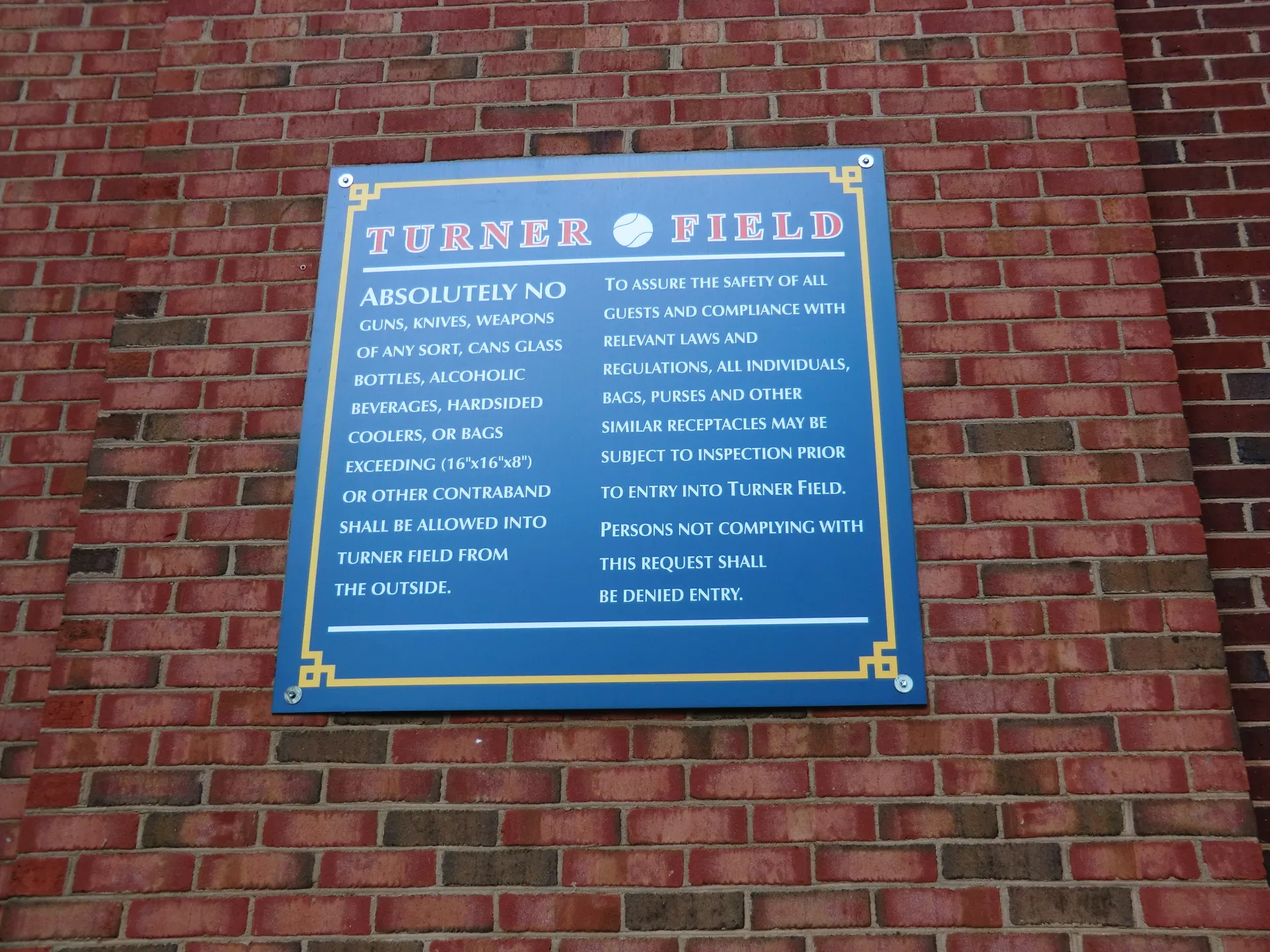
During the 1960s, the construction of I-75/85 and Turner Field (originally Atlanta-Fulton County Stadium) displaced families and cut through the fabric of the neighborhood. Peoplestown lost homes, lost businesses, and lost population. What it didn’t lose was organization. The community has a long history of civic engagement. Residents here have fought stadium expansions, highway projects, and more recently, gentrification-driven displacement with a level of coordination that most Atlanta neighborhoods don’t have.
When Georgia State University took over Turner Field in 2017 and the surrounding area started attracting investment, Peoplestown was ready. Community leaders negotiated with developers, attended every city council meeting, and pushed for affordable housing requirements. That advocacy continues today.
Walking around, you feel the history. Older homes sit on streets named for civil rights figures. Churches anchor the corners. And newer development, like The Row 900 on Hank Aaron Dr SE, is happening, but it’s not erasing what was here.
What the Housing Stock Looks Like
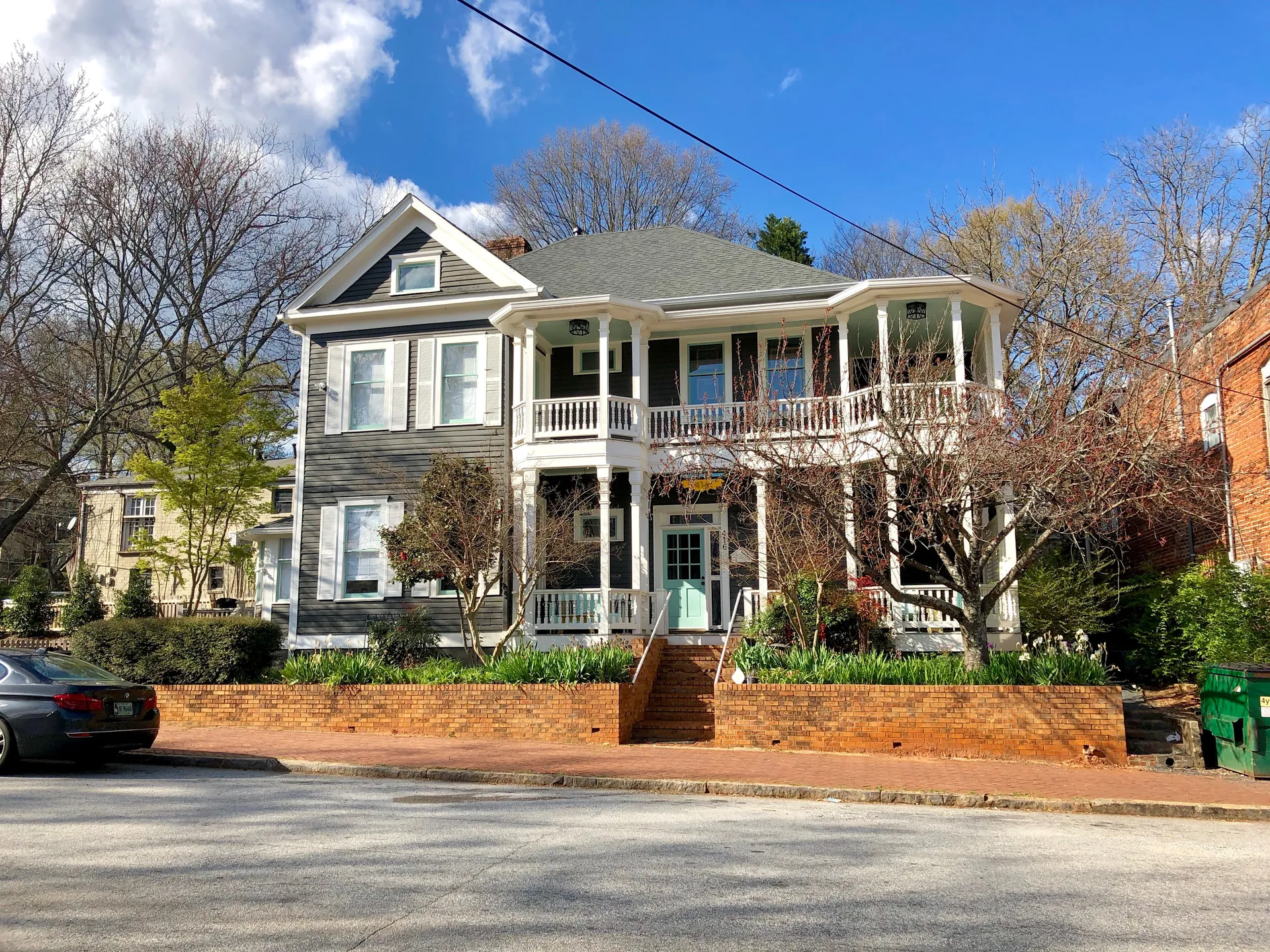
Early 1900s bungalows and shotgun houses form the original layer of Peoplestown’s housing. These are small (700-1,100 square feet) with simple floor plans, front porches, and wood-frame construction. Many sit on lots of 5,000-7,000 square feet, which is generous for the size of the homes. An unrenovated version might have sagging floors, outdated wiring, an old roof, and a kitchen that hasn’t been touched since the 1970s. But the lot is worth real money, and the renovation math often works.
Mid-century additions include some brick ranch homes and duplexes from the 1950s and 1960s. These are sturdier and easier to renovate. Think new kitchen, updated baths, and maybe opening up a wall between the living room and dining room. Duplexes are particularly interesting as house-hack opportunities.
Renovated homes vary widely. Some are careful, sensitive renovations that preserved the bungalow character: hardwood floors, original trim, updated kitchen and bathrooms. Others are full gut-jobs with modern open floor plans, new siding, and additions that double the square footage. Both sell well.
New construction is the fastest-growing segment. The Row 900 is the most notable current project: 16 zero lot line homes on Hank Aaron Dr SE, ranging from $600K-$800K with 1,400-2,000 square feet, 3-4 bedrooms, and the option for ADU/guest houses on select lots. Other infill single-family homes and townhomes are going up on scattered lots throughout the neighborhood, typically in the $400K-$600K range.
Price Breakdown: What $295K Actually Means
That $295K median is real, but it includes a wide range. Here’s what each tier looks like:
Under $250K: Unrenovated bungalows and shotgun houses. These need everything: roof, HVAC, kitchen, bathrooms, possibly structural work. Budget $80K-$150K for a proper renovation. This is the entry point for investors and hands-on buyers who want to build equity through sweat and a good contractor. At this price, you’re getting a lot with a house on it in intown Atlanta with SE Beltline access. That’s remarkable.
$250K-$375K: Partially or fully renovated older homes. Updated kitchens and baths, working systems, livable floor plans. Some still need cosmetic work. This is where most first-time homebuyers in Peoplestown end up. You get a real house (not a condo, not a townhome) with a yard, a porch, and a mortgage payment well under what you’d pay in Grant Park.
$375K-$500K: Fully renovated bungalows with additions, newer duplexes, or smaller new construction. Move-in ready with modern finishes. Some include rental units or ADU potential that can offset your costs.
$500K-$800K: New construction and premium renovations. The Row 900 falls in this range: new-build homes with high-end finishes, modern floor plans, and features like rooftop decks and guest houses. At this tier, you’re getting new construction in an area where Grant Park buyers would pay even more for comparable product.
For perspective: Grant Park’s median is above $500K. You’re one neighborhood over, with the same SE Beltline Southside Trail access, at roughly half the median price. That gap won’t last forever.
Schools in the Area
Peoplestown is zoned for Atlanta Public Schools. D.H. Stanton Elementary serves the neighborhood’s youngest students, with King Middle School and Maynard Jackson High School for older grades. Specific boundaries can vary by address, so check before buying.
The Georgia State University presence in neighboring Summerhill has had a positive effect on the broader school ecosystem: more families, more investment in youth programs, more community attention on educational outcomes. Charter options like KIPP and Drew Charter are available through lottery, and several families commute to private schools in Grant Park or further east.
Education is an active conversation in Peoplestown. The neighborhood association has pushed for investment in local schools as part of the broader community benefits discussion around new development. Progress is real but gradual.
Transit and Commute: Closer Than You Think
Peoplestown’s transit access is better than you’d expect for a neighborhood at this price point.
By car: Downtown is genuinely 10 minutes. Capitol Avenue runs straight north into the city center. Midtown is 15-20 minutes. Hartsfield-Jackson Airport is 15-20 minutes on I-75. You’re close to everything. The neighborhood’s southside location puts you near I-75/85 without being right on top of the highway noise.
MARTA: The Georgia State MARTA station is about a mile north of the neighborhood, a short drive, bus ride, or bike trip. Bus routes along Capitol Avenue and Hank Aaron Dr connect to the rail system. It’s not the seamless MARTA access that Reynoldstown has, but it’s workable for a rail commute.
SE Beltline Southside Trail: Direct access along Hank Aaron Dr SE. You can walk or bike to Grant Park, Boulevard Crossing Park, and eventually the full Beltline loop as the Southside Trail buildout continues. This is the game-changer. The Southside Trail turns Peoplestown from a car-dependent neighborhood into one with real multi-modal connectivity.
Bike infrastructure: The Southside Trail is the backbone, and neighborhood streets are mostly low-traffic and bikeable. Downtown is a realistic bike commute: flat terrain, 3-4 miles, 15-20 minutes.
What’s Changing: Development and the Future
The Row 900 is the highest-profile new development: 16 zero lot line homes on Hank Aaron Dr SE with presale pricing from $600K-$800K. Buyers choose from four color palettes for finishes. ADU/guest house options on select Unit B lots add flexibility. This project represents the neighborhood’s new construction tier and signals serious builder confidence in Peoplestown’s trajectory.
The Summerhill effect continues to spill south. Georgia State Stadium, Halfway Crooks Beer, Wood’s Chapel BBQ, and other Summerhill additions have brought foot traffic and commercial activity within a short walk or drive of Peoplestown’s northern edge. More restaurant and retail development is planned along the Georgia Avenue and Hank Aaron Dr corridors.
SE Beltline Southside Trail construction is active and ongoing. Each completed section adds paved paths, lighting, and connectivity. For Peoplestown specifically, the trail sections along Hank Aaron Dr are bringing physical improvements: better streetscaping, new pedestrian infrastructure, and increased visibility for the neighborhood.
Infill housing continues lot by lot. Builders are buying vacant properties throughout the neighborhood and constructing single-family homes, duplexes, and small townhome groups. The pace is steady (a few projects per year) and the cumulative effect is a neighborhood that looks and feels more complete each time you visit.
The Honest Tradeoffs
Walkable food and retail are thin. Peoplestown itself doesn’t have a restaurant row, a grocery store, or a coffee shop. You’ll drive to Summerhill (Halfway Crooks, Wood’s Chapel BBQ, Georgia Ave restaurants) or Grant Park (Kroger, Grant Park Market) for daily needs. This is the single biggest quality-of-life gap.
The displacement conversation is real. Rising values and new construction put pressure on longtime residents (many on fixed incomes) who face higher property taxes and changing neighborhood character. If you’re buying here, be aware of this dynamic. The community association is engaged in it, and being a respectful, involved neighbor matters.
Infrastructure varies by block. Some streets are well-maintained with sidewalks and good lighting. Others have crumbling curbs, missing sidewalks, and intermittent streetlights. The city is investing, but improvements are uneven.
Noise from nearby corridors. Hank Aaron Dr carries real traffic. Homes on the quieter interior streets (Crew St SE, Clare Ave, Milton Ave) are more insulated. I-75/85 is audible from the western edge of the neighborhood.
Perception still lags reality. People who haven’t visited Peoplestown in years may still carry outdated impressions. The neighborhood has changed meaningfully, and it’s continuing to change, but some buyers and their families need to see it in person to update their mental map.
Best Streets and Pockets
Hank Aaron Dr SE: the main corridor, where The Row 900 and other new construction is concentrated. The most visible change is happening here. Good for buyers who want new builds and don’t mind being on a busier street.
Crew Street SE: quieter, more residential, with a mix of older bungalows and some renovation activity. Good tree canopy on certain blocks. This is where you go for the “real neighborhood” feel.
Clare Avenue and Milton Avenue: interior streets with less traffic and more of the original bungalow stock. These blocks tend to be affordable and have renovation potential. If you’re buying a project house, start here.
The blocks closest to Grant Park (eastern edge): you benefit from proximity to Grant Park’s amenities, the zoo, and the commercial strip on Memorial Drive while paying Peoplestown prices. This is the smartest overlap in the neighborhood.
Near D.H. Stanton Park: green space access, family-friendly, and a short walk to the Southside Trail. The homes around the park are a mix of conditions, but the location is the best in the neighborhood for families.
If you’re considering Peoplestown, come walk it. The numbers on paper are compelling: $295K median, SE Beltline access, 10 minutes to downtown. But the feel of the place is what sells people. It’s a neighborhood with real history, real community, and real upside.
Data sources: Zillow, Redfin, Walk Score. Prices reflect 2025 market conditions and are subject to change.
Quick Facts
- Median Price
- $295,000
- Avg $/Sq Ft
- $230
- Walk Score
- 52
- Transit Score
- 42
- Bike Score
- 58
- ZIP Codes
- 30315
- Beltline
- Direct Access
Why Live in Peoplestown
- Historic African American neighborhood, active in Atlanta's civil rights history
- Direct SE Beltline Southside Trail access along Hank Aaron Dr
- Median home price around $295K, hard to beat for intown Atlanta
- Borders Grant Park to the east and Summerhill to the north
- Vocal community association that stays involved in development decisions
Local Amenities
Recreation
- Atlanta Beltline Southside Trail
- D.H. Stanton Park
Nearby
- Grant Park
- Georgia State Stadium
Peoplestown FAQs
Clients in Peoplestown
★ 5 · 24 reviews on Google"Deep knowledge of the Atlanta market, especially Boulevard Heights, Chosewood Park, Ormewood Park, and Reynoldstown. Generated serious interest before the property even hit the market."— David Darko-Mensah
"Not a part-time Realtor. She hit the ground running, told me what I needed to do, and we had it under contract in 40 days."— Bill Powell
"The exact person we were looking for when it came to the neighborhood and the type of home we wanted. Helped us from beginning to end."— Fox Wade
Interested in Peoplestown?
Get insider knowledge and exclusive listings from a local expert who knows every street.