Bobbie Spiller Real Estate

Chosewood Park

Southside Trail access at entry-level prices

The Case for Chosewood Park

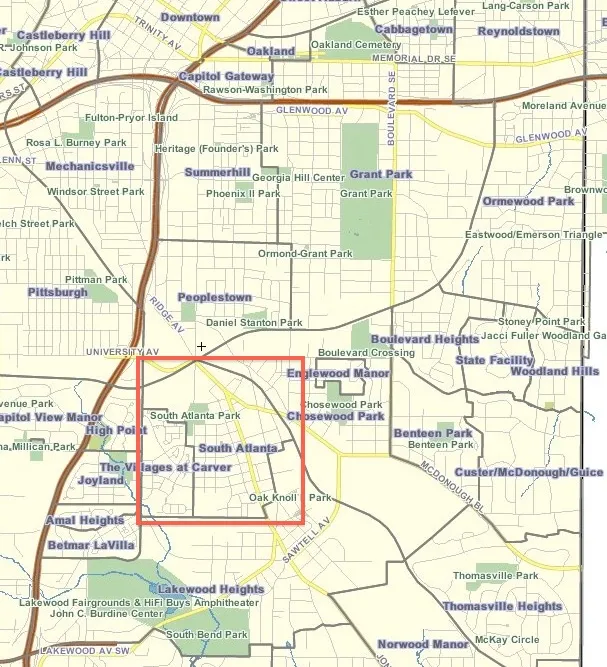
Chosewood Park is where you buy if you believe in the SE Beltline Southside Trail and don’t want to wait until prices prove you right. The Southside Trail runs along the neighborhood’s western edge, and as that buildout progresses (paved multi-use paths, lighting, landscaping) the area gets more connected to Grant Park, Peoplestown, and Pittsburgh. At a $325K median home price, you’re getting intown Atlanta with Southeast Beltline access at a price point that barely exists anywhere else inside the perimeter.

Pittsburgh Yards is already open on the neighborhood’s west side, bringing coworking space, job training programs, and community gathering spots. That kind of anchor matters. It brings foot traffic, jobs, and a reason for people to come to the area even if they don’t live here.

A Neighborhood With Deep Roots

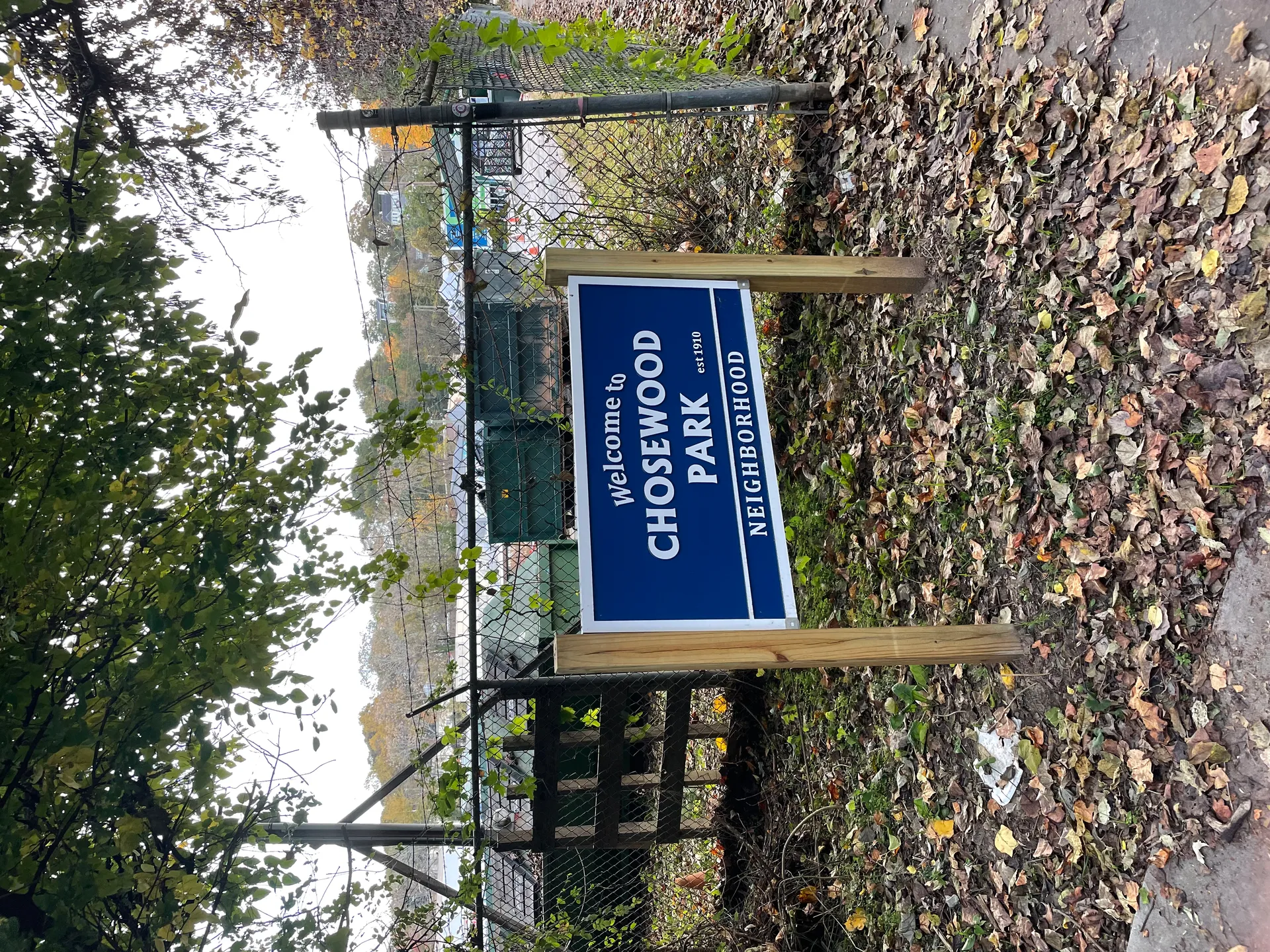
Chosewood Park has been a residential neighborhood since the early 1900s. It was originally developed as housing for workers at the nearby industrial and rail operations that defined Atlanta’s southside. The name comes from the park at the center of the community, a genuine neighborhood green space that’s been here for decades.

Like most southside Atlanta neighborhoods, Chosewood Park experienced disinvestment through the latter half of the 20th century. Homes aged, commercial activity dried up, and the neighborhood fell off most buyers’ radar. But the street grid, the lot sizes, and the proximity to downtown never changed. What changed was perception, and that’s shifting now.

Today, Chosewood Park is a mix of longtime homeowners, renters, and a growing number of buyers who looked at the Southside Trail plans, looked at the prices, and did the math. It’s not a finished product. It’s an early-stage investment with real infrastructure backing it up.

What the Houses Look Like

1920s-1940s bungalows are the most common home type. These are modest, 800-1,200 square feet, two or three bedrooms, one bath, with Craftsman-influenced details like front porches, wood siding, and simple floor plans. Lot sizes run 5,000-8,000 square feet, giving you actual outdoor space. An unrenovated bungalow here might have original wood floors (under layers of vinyl or carpet), an outdated electrical panel, a small kitchen, and windows that need replacing. The bones are usually solid.

Small ranch homes from the 1950s-1960s round out the stock. Brick construction, carports, simple rectangular floor plans. These are sturdy and straightforward to renovate. They don’t have the charm of a Craftsman bungalow, but they’re practical and affordable.

Renovated homes show up at a range of quality levels. Some are full gut-renovations with open floor plans, new kitchens, and added primary suites. Others are cosmetic updates (new paint, new appliances, refinished floors) that leave the bigger systems for the next owner. Know what you’re looking at before you offer.

New construction is starting to appear, mostly infill single-family homes and small townhome clusters on previously vacant lots. These are typically 3-bed/2.5-bath, 1,400-1,800 square feet, with modern finishes. They’re priced at the top of the neighborhood market but still well below comparable new builds in Grant Park.

Price Tiers: What Your Budget Gets You

Under $275K: A fixer. Original condition bungalow or ranch that needs a full renovation: kitchen, baths, HVAC, possibly roof and foundation work. Budget $80K-$130K for the renovation and you’ll end up with a home worth $400K+ on the other side. This is the investor play, or the first-time buyer with contractor connections and patience.

$275K-$375K: Partially updated homes or smaller renovated bungalows. You might get new kitchen and bathrooms but older windows and HVAC. Also where you’ll find the occasional well-priced new construction on a smaller lot. Most owner-occupant purchases happen in this range.

$375K-$500K: Fully renovated homes, larger new construction, or homes with additions that push square footage above 1,500. At this price, you’re getting a move-in-ready home that would cost $100K-$150K more in Grant Park or Boulevard Heights. Good value, but you’re paying for the neighborhood’s future rather than its present amenities.

Schools Serving Chosewood Park

Chosewood Park is zoned for Atlanta Public Schools. Elementary-age students typically attend Benteen Elementary, with King Middle School for grades 6-8 and Maynard Jackson High School for upper grades. Specific zoning can shift by address, so verify before you buy.

Charter schools are a popular alternative. Drew Charter School in East Lake and various KIPP campuses serve the broader southside. Several families in the neighborhood also drive to private schools in Grant Park, East Atlanta, or Decatur.

School quality is a real consideration for families buying here. The zoned schools are improving, but many parents supplement with afterschool programs or opt for charter and private alternatives. It’s worth a candid conversation with other parents in the neighborhood to understand what’s working.

Getting Around: Transit and Commute Times

The walk score of 44 is honest. You need a car for daily errands. There are no grocery stores, coffee shops, or restaurants within easy walking distance of most Chosewood Park homes.

By car, the commute picture is reasonable:

  • Downtown Atlanta: 10-12 minutes via Hank Aaron Dr or Capitol Ave
  • Midtown: 15-20 minutes via I-75/85 or Boulevard
  • East Atlanta Village: 7-10 minutes
  • Grant Park: 5-7 minutes
  • Hartsfield-Jackson Airport: 15-20 minutes via I-75

MARTA bus routes along McDonough Blvd and nearby corridors connect to the rail system, though service frequency isn’t great. The closest MARTA rail station is the Georgia State or King Memorial station, both about a 10-minute drive or bus ride.

The SE Beltline Southside Trail is the transformative piece. As it builds out, bike and pedestrian connectivity to Grant Park, Boulevard Heights, Peoplestown, and eventually the full 22-mile Beltline loop improves dramatically. If you’re a cyclist, the trail makes commuting to downtown practical. If you’re not a cyclist yet, the trail might make you one.

What’s Happening Now: Development and Change

The Southside Trail buildout is the biggest single factor reshaping Chosewood Park. Active construction phases are extending paved multi-use paths, adding lighting and landscaping, and creating new access points that connect the neighborhood to adjacent communities. This isn’t hypothetical. Sections are open and in use, with more coming online each year.

Pittsburgh Yards continues to expand its programming and tenant base. The campus includes coworking space through Goodr, workforce development programs, and community event space. It’s becoming a real destination on the neighborhood’s western edge.

Infill construction is steady. Builders have been buying vacant lots and teardown properties throughout the neighborhood. You’ll see new framing on previously empty sites along McDonough Blvd, United Ave, and the side streets connecting to the Southside Trail corridor.

Rezoning activity around the Beltline corridor has opened up some parcels for mixed-use development. This means future commercial and retail space is possible, the kind of coffee shop and small restaurant activity that Chosewood Park currently lacks. It’s not here yet, but the zoning framework exists.

The Honest Tradeoffs

There are no walkable restaurants or shops. This is the biggest limitation and the one that makes or breaks the neighborhood for most buyers. If you need to walk to coffee, a restaurant, or a bar, Chosewood Park is the wrong fit. You’ll drive to Grant Park or East Atlanta Village for everything.

Food desert conditions exist. The nearest full grocery store is outside the neighborhood. This is a legitimate daily inconvenience, especially for families. It’s the kind of thing that changes as population density grows and commercial development follows, but it’s not solved yet.

Some blocks feel isolated. The neighborhood is bordered by industrial and rail corridors, which means certain edges feel cut off rather than connected. The interior blocks around Chosewood Park (the actual park) are the most cohesive.

Crime is a consideration. Like most affordable intown Atlanta neighborhoods, property crime happens. Car break-ins are the most common issue. The neighborhood watch is active and the community communicates through online groups, but be realistic about the tradeoffs of buying in an area that’s still in transition.

Infrastructure is catching up. Sidewalks are spotty, some streets need repaving, and streetlights aren’t consistent on every block. These issues improve as property tax revenue grows with rising values, but they’re not resolved yet.

Where to Look: Best Pockets of the Neighborhood

Streets near the park itself: the blocks immediately around Chosewood Park (the green space) are the most established and have the best tree canopy. You’ll find a mix of renovated and original homes, and the feel is genuinely residential.

United Avenue SE: one of the more active renovation corridors. Good examples of what a gut-renovated bungalow looks like in this neighborhood, and close to the Southside Trail access points.

McDonough Blvd on the western side, closer to Pittsburgh Yards and the Southside Trail. Some new construction activity here. The lots along McDonough tend to be larger, which appeals to buyers who want outdoor space.

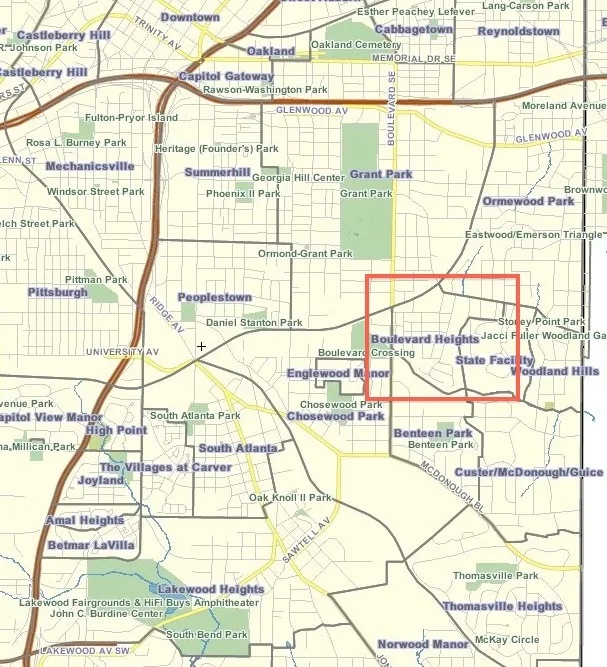
The blocks between the park and Boulevard Heights (to the northeast): this transition zone benefits from proximity to Boulevard Crossing Park and the improving infrastructure in both neighborhoods. You get the Chosewood Park price point with easier access to Boulevard Heights’ amenities.

The bottom line: Chosewood Park is a bet on the SE Beltline Southside Trail and Atlanta’s continued southside investment. At $325K, the downside risk is limited and the upside is tied to billions of dollars of public infrastructure spending. If you can handle the current lack of walkable amenities and you’re buying for the 5-10 year picture, it’s one of intown Atlanta’s smartest entry points.


Data sources: Zillow, Redfin, Walk Score. Prices reflect 2025 market conditions and are subject to change.

Quick Facts

Median Price
$325,000
Avg $/Sq Ft
$245
Walk Score
44
Transit Score
38
Bike Score
56
ZIP Codes
30315
Beltline
Direct Access

Why Live in Chosewood Park

  • Median home price around $325K, one of intown Atlanta's lowest entry points
  • SE Beltline Southside Trail runs along the neighborhood's western edge
  • Pittsburgh Yards nearby for coworking, job training, and community events
  • Bungalows with renovation potential starting under $300K
  • Southside Trail buildout actively adding new infrastructure and connectivity

Local Amenities

Recreation

  • Chosewood Park (the park)
  • Atlanta Beltline Southside Trail

Nearby

  • Pittsburgh Yards
  • Grant Park

Chosewood Park FAQs

Clients in Chosewood Park

5 · 24 reviews on Google
"Deep knowledge of the Atlanta market, especially Boulevard Heights, Chosewood Park, Ormewood Park, and Reynoldstown. Generated serious interest before the property even hit the market."
— David Darko-Mensah
"Knowledgeable about homes in Chosewood Park and Boulevard Heights. Genuinely cares about her clients and wants to see them succeed."
— Daniel Wilcox
"Not a part-time Realtor. She hit the ground running, told me what I needed to do, and we had it under contract in 40 days."
— Bill Powell

Interested in Chosewood Park?

Get insider knowledge and exclusive listings from a local expert who knows every street.

Contact Bobbie
Call Contact